


Anti-inflammatory arnica: properties, uses and current evidence
14
Jan

Anti-inflammatory arnica: properties, uses and current evidence
Arnica is one of the most widely used natural remedies to relieve inflammation, bruises and muscle discomfort. In physiotherapy, sports and functional recovery, its use is very common—but what does scientific evidence really say about its effectiveness?
In this article, we analyze what arnica is, how it works as a natural anti-inflammatory, its proven properties, and when its use makes sense, from both a clinical and preventive perspective.
What is arnica and why is it used as a natural anti-inflammatory?
Origin and composition
Arnica (Arnica montana) is a medicinal plant native to Central Europe and mountainous regions. Traditionally, it has been used topically to treat bruises, inflammation and muscle pain, especially after physical exertion or mild trauma.
Relevant active compounds (helenalin)
The main bioactive compound in arnica is helenalin, a sesquiterpene lactone with anti-inflammatory and analgesic properties. Arnica also contains flavonoids, essential oils and phenolic compounds that contribute to its therapeutic action.
Why does it have an anti-inflammatory effect?
Helenalin works by inhibiting pro-inflammatory factors involved in the inflammatory response, such as NF-κB, reducing the production of mediators responsible for pain, inflammation and local edema. This mechanism explains its use in mild musculoskeletal injuries.
Arnica properties according to available evidence
Anti-inflammatory effect
Several studies have shown that topical application of arnica may help reduce local inflammation in bruises and muscle overloads, especially in the early stages of injury.
Analgesic effect
Arnica may help decrease pain perception thanks to its action on inflammatory mediators. It does not replace medical treatments, but it can be useful as a complementary option in mild conditions.
Effect on bruises
One of the best-known uses of arnica is reducing bruises. Evidence suggests it may speed up the reabsorption of subcutaneous bleeding and improve the appearance of bruises over time.
Current evidence from clinical studies
Reviews published in databases such as PubMed and the Cochrane Library indicate that topical arnica may be effective in treating mild trauma, minor surgery recovery and post-exercise muscle pain, although results vary depending on formulation and concentration. Proper and well-indicated use is key.
Most common uses of arnica in physiotherapy and sports
Bruises and contusions
Widely used after minor blows, falls or sports impacts to reduce inflammation and speed up local recovery.
Muscle overload
Can be applied in cases of muscle fatigue or overload, especially after intense training sessions or competitions.
Minor impact
In mild trauma without open wounds, arnica may help control initial inflammation and associated discomfort.
Post-exercise prevention and recovery
Among athletes, arnica is often used as part of recovery routines to relieve muscle discomfort and promote a sense of well-being after exertion.
Complementary treatments
In physiotherapy, arnica is commonly used alongside manual therapy techniques, therapeutic exercise and other functional recovery approaches.
Arnica creams, gels and ointments: differences and when to choose each
- Arnica gel: fast-absorbing, lightweight texture with a refreshing effect. Ideal for sports use and post-exercise application.
- Arnica cream: more suitable for therapeutic massage, provides hydration and facilitates the physiotherapist’s manual work.
- Arnica ointment: thicker texture and higher concentration of active ingredients. Recommended for localized areas and occasional applications.
Format selection depends on the clinical context, type of injury, application frequency and user or professional preference.
Indications, dosage and how to apply arnica correctly
- Recommended frequency: generally applied 2 to 3 times per day, following manufacturer instructions or professional advice.
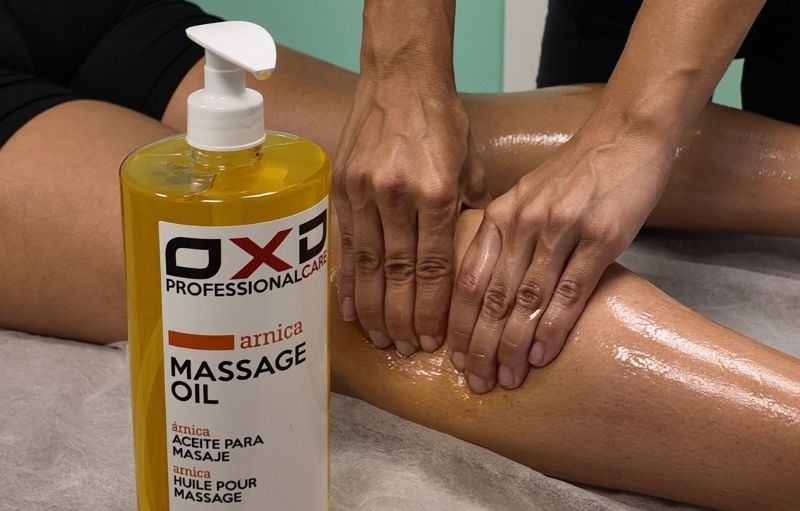
- Amount and application areas: apply a thin layer to the affected area with a gentle massage until fully absorbed.
- When it is useful—and when it is not: arnica is useful for mild inflammation and trauma. It does not replace medical treatment and is not indicated for serious injuries or complex inflammatory conditions.
Contraindications and important precautions
- Do not use on open wounds: always apply to intact skin only.
- Skin reactions: sensitive individuals may experience irritation or dermatitis. A patch test on a small area is recommended.
- Pregnancy and breastfeeding: use is not recommended without medical supervision.
- Children and sensitive skin: extra caution is required; always follow professional guidance.
Frequently asked questions about anti-inflammatory arnica
Is arnica effective for bruises and impacts?
Yes, for mild impacts without open wounds.
Does arnica reduce bruising?
It may help speed up bruise reabsorption.
How long does it take to work?
It depends on the case, but relief is often noticed after the first applications.
Is it safe to use arnica every day?
For topical use and limited periods, generally yes.
Does a cream work the same as a gel?
The effect is similar, but the format affects absorption and comfort of use.
Can I use arnica during pregnancy?
It is recommended to consult a healthcare professional first.
Conclusion
Arnica is a well-known and useful resource in physiotherapy, sports and wellness when used correctly. Its value lies in being a complementary therapeutic tool, not a standalone solution. Understanding its mechanism of action, evidence and limitations allows professionals to recommend it appropriately, providing safety, confidence and added value to treatment.
Do you have questions or need professional advice? Contact the TELIC GROUP team and we’ll be happy to help.

Related Products
-
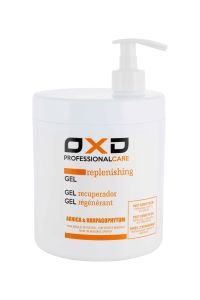 OXD replenishing gel arnica + harpagophytum - 1000 ml€39.91 VAT included
 -
-


Recent Posts
-
Warm roll-on wax for professional hair removal: types and how to choose the right one for your salon
 May 6, 2026
 -
Crepe Bandage vs Elastic Bandage: Differences, Sizes and When to Use Each
 April 15, 2026
 -
How to choose the right couch roll for your healthcare center
 March 18, 2026
 -
Sports massage: what it is, benefits and when to apply it
 February 19, 2026
 -
Anti-inflammatory arnica: properties, uses and current evidence
 January 14, 2026


