


Warm roll-on wax for professional hair removal: types and how to choose the right one for your salon
6
May
Warm roll-on wax for professional hair removal: types and how to choose the right one for your salon
May 06, 2026
Warm roll-on wax for professional hair removal: types and how to choose the right one
Choosing the right roll-on wax might seem like a minor detail, but any experienced aesthetician knows it is the difference between a clean, fast, and comfortable experience for the client, and a session with poor hair removal results, irritation, and wasted time. Not all waxes are created equal, and what works perfectly for normal skin on the legs can be a disaster on sensitive skin or delicate areas like the armpits.
In this guide, we will explain the types of professional roll-on wax available, how they differ in composition and use, and what you need to consider to choose the best option based on skin type, treatment area, and your salon's workflow.

What is warm roll-on wax and why do professionals use it?
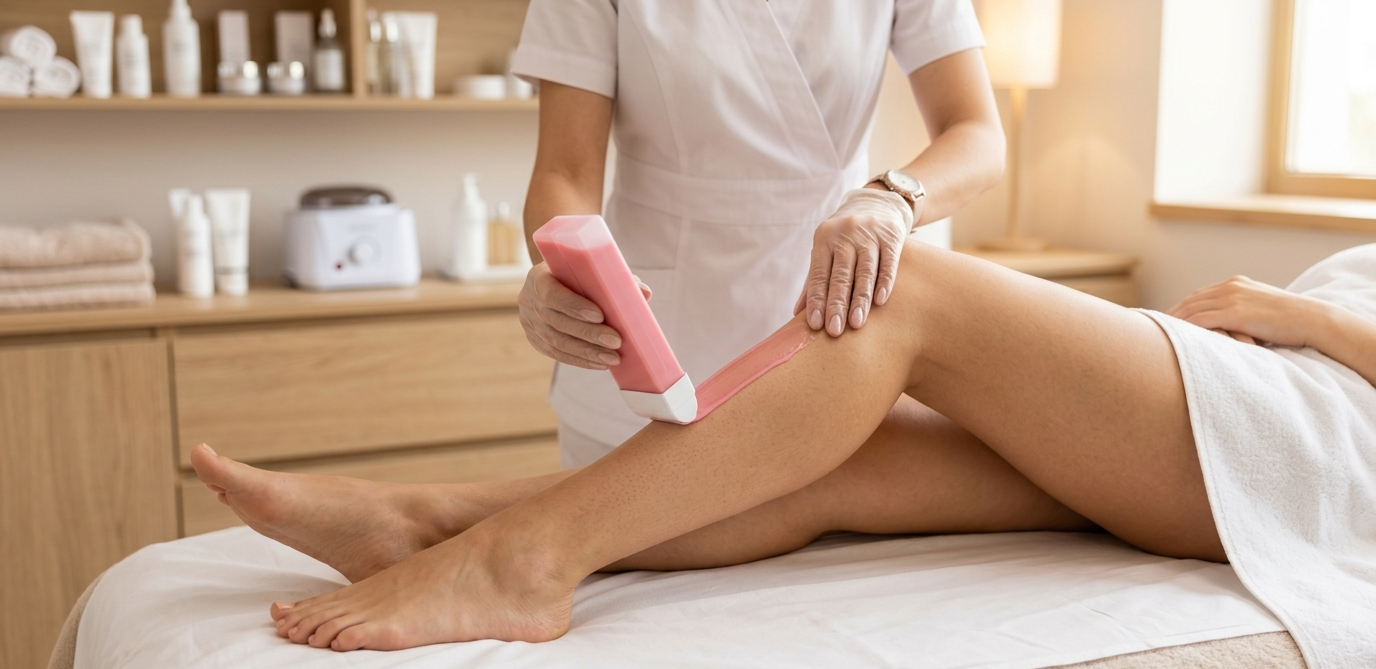
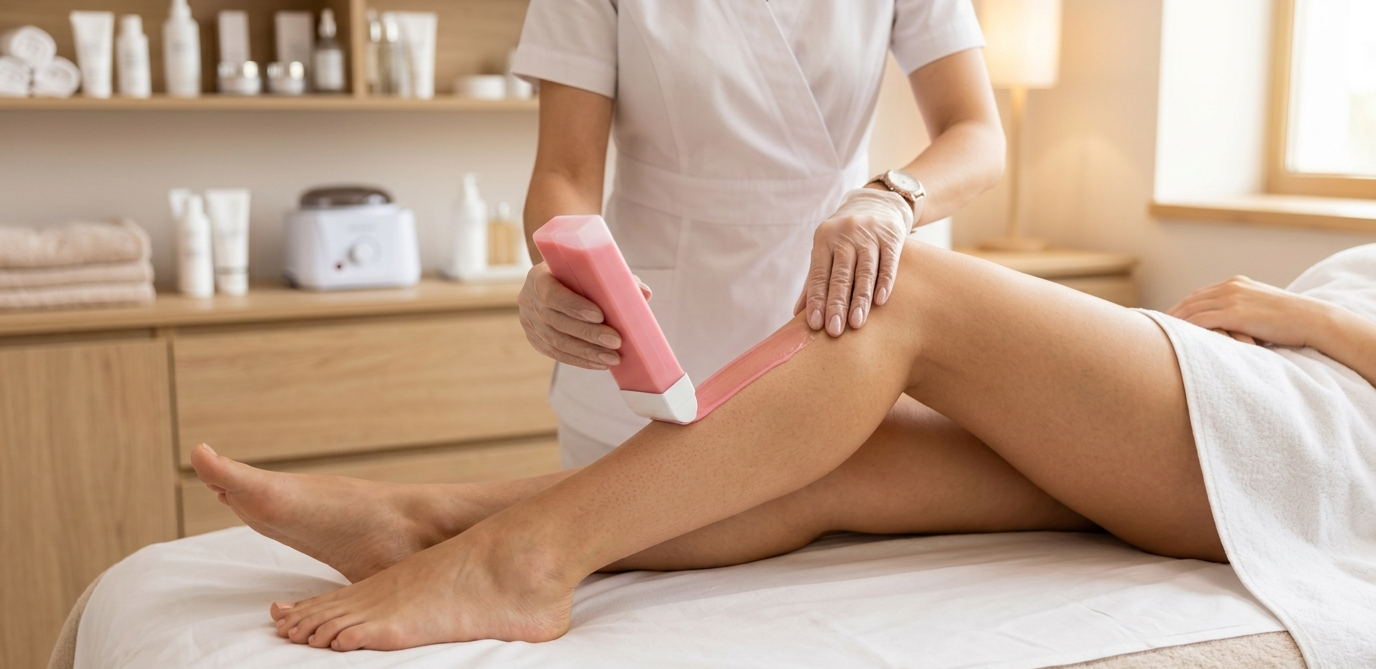
Warm roll-on wax is the most widely used format in professional treatment rooms, and for good reason. Unlike traditional hot wax, which is melted in a pot and applied with a spatula, roll-on wax comes in pre-filled cartridges that are heated in a specific warmer and applied directly to the skin via a rotating head.
The advantages for a professional center are clear:
- Superior hygiene: The applicator head does not come into contact with the skin during every pass and is dedicated to a single client, eliminating the risk of cross-contamination.
- Controlled, constant temperature: The warmer keeps the wax between 36–40°C, significantly reducing the risk of burns compared to traditional hot wax.
- Fast, even application: The roller head distributes the wax in a thin, regular layer, which improves grip and speeds up treatment time.
- Less waste: You only use the exact amount needed for each pass.
For high-volume salons, the roll-on format is simply more efficient. It has become the standard in well-equipped professional treatment rooms.
Types of roll-on wax according to their composition
Not all professional roll-on waxes perform the same way. Each formula's composition determines how the wax behaves on the skin, its grip on the hair, and its suitability for different clients.
Natural resin roll-on wax
This is the most classic and versatile formulation. It offers excellent hair grip, is easily removed with fabric strips, and is designed for general use on large areas like legs and arms.
It is the most common choice for centers looking for efficiency and versatility, especially for clients with normal skin.
Botanical oil roll-on wax (argan, sweet almond, shea butter)
Formulated for dry, mature, or irritation-prone skin. Botanical oils provide a moisturizing effect during treatment and soothe the area immediately after the wax is removed.
It is a highly valued option for salons catering to older clients or those offering premium body treatments where the client experience is a core part of the service.
Blue azulene roll-on wax
Azulene is a natural active ingredient with soothing and anti-inflammatory properties, widely used in formulas for sensitive, reactive, or redness-prone skin. Blue azulene wax is the standard choice for armpits, bikini lines, and any area where the skin is delicate or the hair is coarser.
It is also recommended for clients who wax frequently and have accustomed skin that still tends to react.
Pink titanium dioxide roll-on wax
One of the most popular choices in the cabin due to its versatility. Titanium dioxide improves the grip on fine or curly hair, which is usually harder to remove in a single pass. It is creamy, leaves a clean finish, and works well on both large and medium-sized areas.

How to choose the right roll-on wax? A guide by skin type and area.
| Skin type / Area | Recommended roll-on wax |
|---|---|
| Normal skin — legs, arms | Natural resin wax |
| Dry or mature skin | Botanical oil wax |
| Sensitive or reactive skin | Blue azulene wax |
| Armpits and bikini line | Blue azulene wax |
| Fine or curly hair | Pink titanium dioxide wax |
| Full legs — maximum efficiency | Pink or natural resin wax |
| Frequent waxing clients | Botanical oil or azulene wax |
Key takeaway: If the client’s skin type is more prominent than the area being waxed, prioritize the wax composition. If the area is the deciding factor (armpit, bikini), prioritize azulene wax regardless of skin type.
Format and compatibility: what you should check before buying
Before placing your order, verify these technical aspects to avoid issues in the cabin:
Cartridge size: The most common sizes are 100 ml and 150 ml. 150 ml cartridges are more cost-effective for large areas or high-volume centers, while 100 ml cartridges offer more control for smaller areas or for testing new products.
Warmer compatibility: This is critical. Not all cartridges fit all warmers. Before switching brands, ensure the cartridge diameter matches your professional warmer. Using an incompatible cartridge can lead to leaks, uneven heating, or equipment damage.
Working temperature: Warm wax performs best between 36°C and 40°C. Below this, the wax becomes too thick and won't grip the hair well. Above this, it may cause discomfort or redness. A quality warmer keeps the temperature stable throughout the session.
Roll-on wax vs other professional wax formats
| Format | Advantages | Disadvantages |
|---|---|---|
| Warm roll-on | Hygiene, speed, controlled temperature | Requires a cartridge warmer |
| Pot (hot wax) | Low cost by volume | Higher burn risk, less hygienic |
| Cold wax (strips) | No warmer needed | Less effective on coarse/curly hair |
| Disc wax (hot) | High grip, ideal for very coarse hair | Only suitable for small areas |
For beauty salons with a steady client base, the roll-on format is the best balance of hygiene, efficiency, and results. The investment in a good warmer pays for itself quickly through savings in both time and product.
Professional usage tips for best results
Even with the best wax, poor technique can ruin the result. These are the points that most influence performance:
Check the temperature before starting: Always do a patch test on the inside of your wrist before applying it to a client. If the wax drips or is too liquid, wait for the warmer to stabilize it.
Apply in the direction of hair growth: Roll-on wax is applied following the hair's natural direction for better adhesion. Remove the strip in the opposite direction, quickly and parallel to the skin.
Thin, even layer: A thick layer does not improve grip; it just wastes product and makes removal harder. The roll-on head is designed to dispense the right amount.
Post-wax skin care: After the session, apply a specific product to soothe the skin and close the pores. Professional cabin moisturizing creams with aloe vera or shea butter are a good option to finish the treatment and improve the client's perception of the service.
Keep equipment clean: Clean the warmer after every day to extend its lifespan and ensure consistent results.
Roll-on wax within a complete professional hair removal protocol
Roll-on wax is the heart of the treatment, but the final result depends on how the entire process is managed. A well-executed professional waxing treatment consists of three key stages:
Before: Preparing the skin with a pre-treatment or cleansing product to remove traces of cream, sweat, or impurities. Clean skin ensures the wax adheres perfectly.
During: Applying the wax at the right temperature using the correct technique, selecting the specific type of wax suited for each area of the client's body.
After: Soothing the skin with moisturizing creams containing collagen and hyaluronic acid or with aloe vera. This step reduces redness, hydrates the skin, and adds a touch of care that builds client loyalty.
If your center also offers advanced body treatments, waxing can be integrated with anti-cellulite protocols or pressotherapy. Freshly waxed skin is more receptive and better absorbs the active ingredients in products applied immediately after.
Choosing the right roll-on wax isn't complicated if you keep three factors in mind: your client’s skin type, the area being treated, and your center's workload. With this information, deciding between wax formulated with natural resins, botanical oils, azulene, or titanium dioxide becomes much simpler.
At Telic, you’ll find a complete range of professional roll-on waxes designed for high-performance beauty salons that demand efficiency, consistency, and results.
Discover our full range of professional waxing supplies at Telic.
Professional roll-on wax: frequently asked questions
What is the difference between warm roll-on wax and hot wax? Warm roll-on wax operates between 36 and 40 °C (97–104 °F) and is applied directly from a cartridge using a roller head. This ensures better hygiene and a much lower risk of burns. In contrast, hot wax is melted in a pot at higher temperatures and applied with a spatula, which carries more risk and offers less hygienic control between clients.
Which roll-on wax is best for sensitive skin? For sensitive or reactive skin, azulene roll-on wax is the top recommendation. Its formula contains soothing and anti-inflammatory properties that help reduce redness and post-waxing irritation. For dry skin, waxes enriched with botanical oils like shea butter or sweet almond are also excellent alternatives.
Are all roll-on wax cartridges compatible with any heater? No. Compatibility depends on the diameter of the cartridge and the specific heating system. Before switching brands or formats, always verify that the cartridge fits your equipment to avoid temperature issues or messy leaks.
How far does a 100 ml roll-on wax cartridge go? It depends on the area and your technique, but as a general guide, a 100 ml cartridge can cover 2 to 4 full legs, depending on how thick the layer is applied. For larger areas, 150 ml cartridges offer even better value and efficiency.
What should be applied after waxing to soothe the skin? After using roll-on wax, we recommend applying a soothing cream or lotion containing aloe vera, shea butter, or panthenol to reduce redness and help close the pores. The professional-grade moisturizing creams available at Telic are specifically formulated for post-depilation use in beauty salons.
Can the temperature of roll-on wax burn the skin? When used correctly, no. Warm wax operates at a temperature that does not exceed 40 °C, which is well below the threshold for burning skin. However, it is essential to perform a temperature test before application and ensure your heater maintains a stable, consistent heat level.
Related Products
-
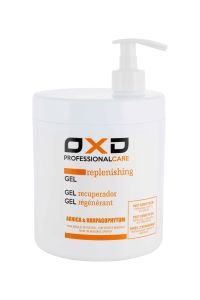 OXD replenishing gel arnica + harpagophytum - 1000 mlwas €39.91 VAT included Special Price €31.92 VAT included
 -
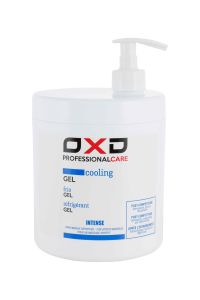 OXD intense cold gel - 1000 mlwas €37.90 VAT included Special Price €30.32 VAT included
 -
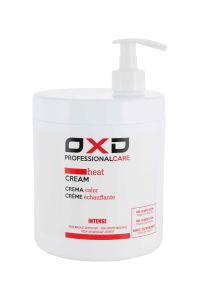 OXD intense heat cream - 1000 mlwas €37.90 VAT included Special Price €30.32 VAT included


Recent Posts
-
Warm roll-on wax for professional hair removal: types and how to choose the right one for your salon
 May 6, 2026
 -
Crepe Bandage vs Elastic Bandage: Differences, Sizes and When to Use Each
 April 15, 2026
 -
How to choose the right couch roll for your healthcare center
 March 18, 2026
 -
Sports massage: what it is, benefits and when to apply it
 February 19, 2026
 -
Anti-inflammatory arnica: properties, uses and current evidence
 January 14, 2026


