


Anti-Cellulite Treatments: What Really Works and How to Apply Them in the Treatment Room
8
Jun
Anti-Cellulite Treatments: What Really Works and How to Apply Them in the Treatment Room
June 08, 2026
Anti-Cellulite Treatments: What Really Works and How to Apply Them in the Treatment Room
Cellulite is one of the most common concerns among clients visiting beauty and aesthetic clinics. Most clients arrive with high expectations, having already tried over-the-counter products with little success, and are often unsure which professional treatments actually deliver results. The honest answer is that no anti-cellulite treatment works in isolation or provides miraculous results. However, a strategic combination of techniques and products, applied consistently and professionally, can produce visible and long-lasting improvements.
In this article, we explain what cellulite is from a professional perspective, the different types of cellulite, which treatments are supported by evidence, and how to create an effective in-clinic protocol combining pressotherapy, radiofrequency, active cosmetics, and manual techniques.
What Is Cellulite and Why Is It So Difficult to Treat?
Cellulite, clinically known as gynoid lipodystrophy, is a structural alteration of the subcutaneous adipose tissue that primarily affects women. It is not merely a superficial aesthetic concern; it involves changes in microcirculation, fluid accumulation within the interstitial tissue, and a reorganization of connective tissue that creates the characteristic “orange peel” appearance.
Its causes are multifactorial and include genetics, hormonal changes, dietary habits, sedentary lifestyles, and lymphatic and venous circulation issues. This is why cellulite is difficult to eliminate using a single treatment approach.
Understanding these factors is essential for managing client expectations and designing a treatment protocol that addresses the condition from multiple angles simultaneously.
Types of Cellulite: Not All Cellulite Should Be Treated the Same Way
Before selecting a treatment, it is important to identify the type of cellulite. The three most common forms encountered in professional practice are:
Edematous Cellulite
This is the softest and most fluid type of cellulite. It is associated with poor lymphatic and venous circulation, leading to fluid retention. The skin often appears swollen, and pressure on the area may leave an indentation. It is most commonly found in younger women and responds particularly well to drainage techniques.
Most effective treatments: pressotherapy, manual lymphatic drainage, and creams containing caffeine or ivy extract.
Fibrous Cellulite
This is the most compact and established form of cellulite. Fat nodules become surrounded by rigid fibrous tissue, restricting circulation. It is often painful to the touch and commonly appears on the thighs and saddlebag areas of adult women.
Most effective treatments: radiofrequency, deep tissue kneading massage, and high-concentration slimming active ingredients.
Flaccid Cellulite
This type is associated with muscle tone loss and reduced skin firmness. The fatty tissue moves freely with body movement and is common after rapid weight loss or as part of the aging process.
Most effective treatments: radiofrequency for skin tightening, firming treatments, and cosmetics containing collagen and hyaluronic acid.
Professional Anti-Cellulite Treatments: What Works and Why
Pressotherapy: Deep Drainage and Circulatory Activation
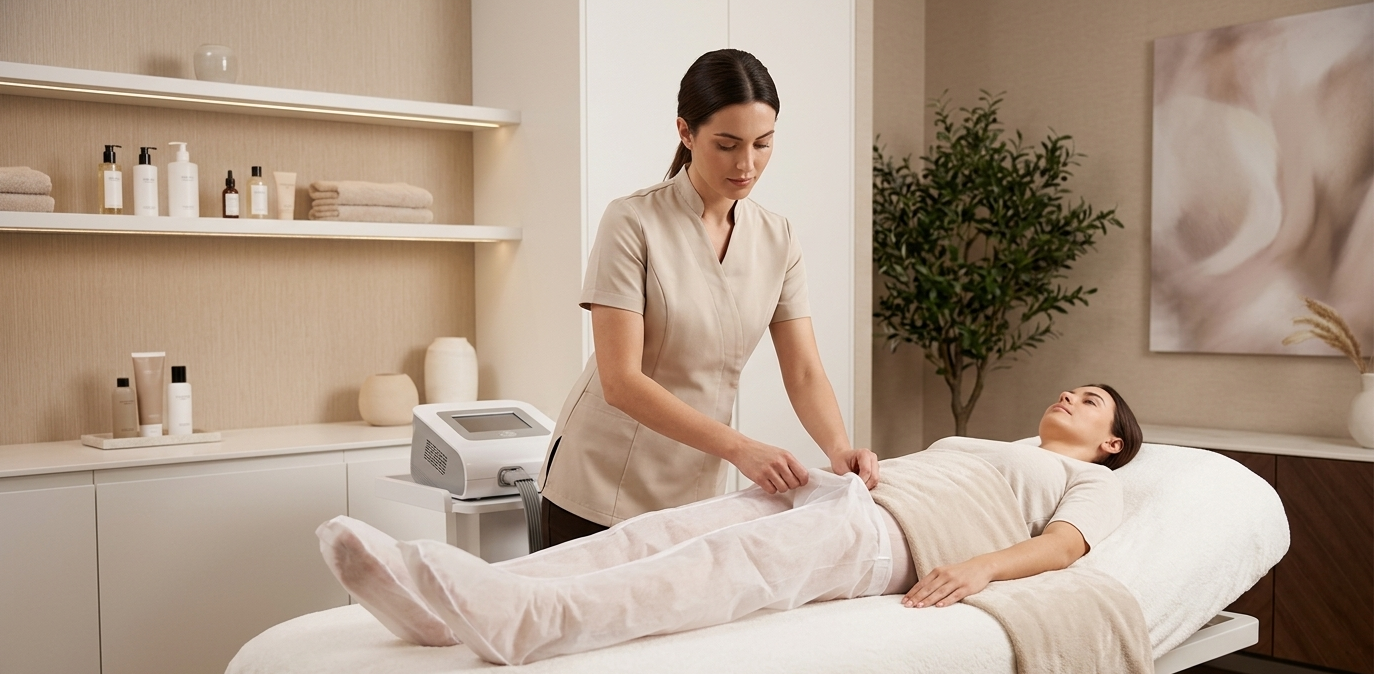
Pressotherapy is one of the most effective treatments for edematous and mixed cellulite. Through a system of sequential compression delivered via specialized pressotherapy garments, venous and lymphatic return is stimulated, helping to reduce fluid retention and improve tissue oxygenation.
Its benefits are cumulative, with noticeable improvements typically appearing after four to six sessions. Results are enhanced when combined with active cosmetic products applied before treatment, as properly drained tissues absorb active ingredients more effectively.
Treatment room tip: apply a slimming or draining cream before fitting the pressotherapy garment to enhance active ingredient penetration during the session.

Body Radiofrequency: Heat-Based Remodeling
Body radiofrequency works by generating heat in the deeper layers of the skin through electromagnetic waves. This thermal effect stimulates collagen production, improves local microcirculation, and provides visible tightening and firming effects, particularly in cases of fibrous and flaccid cellulite.
To ensure optimal treatment performance, a dedicated radiofrequency conductive cream is essential. It facilitates handpiece movement, improves energy conductivity, and protects the skin throughout the session.
Treatment room tip: work with slow, consistent circular movements. The client should experience a comfortable and sustained warmth, never discomfort. The target tissue temperature is typically between 40°C and 42°C.
Anti-Cellulite Massage: Manual Techniques That Deliver Results
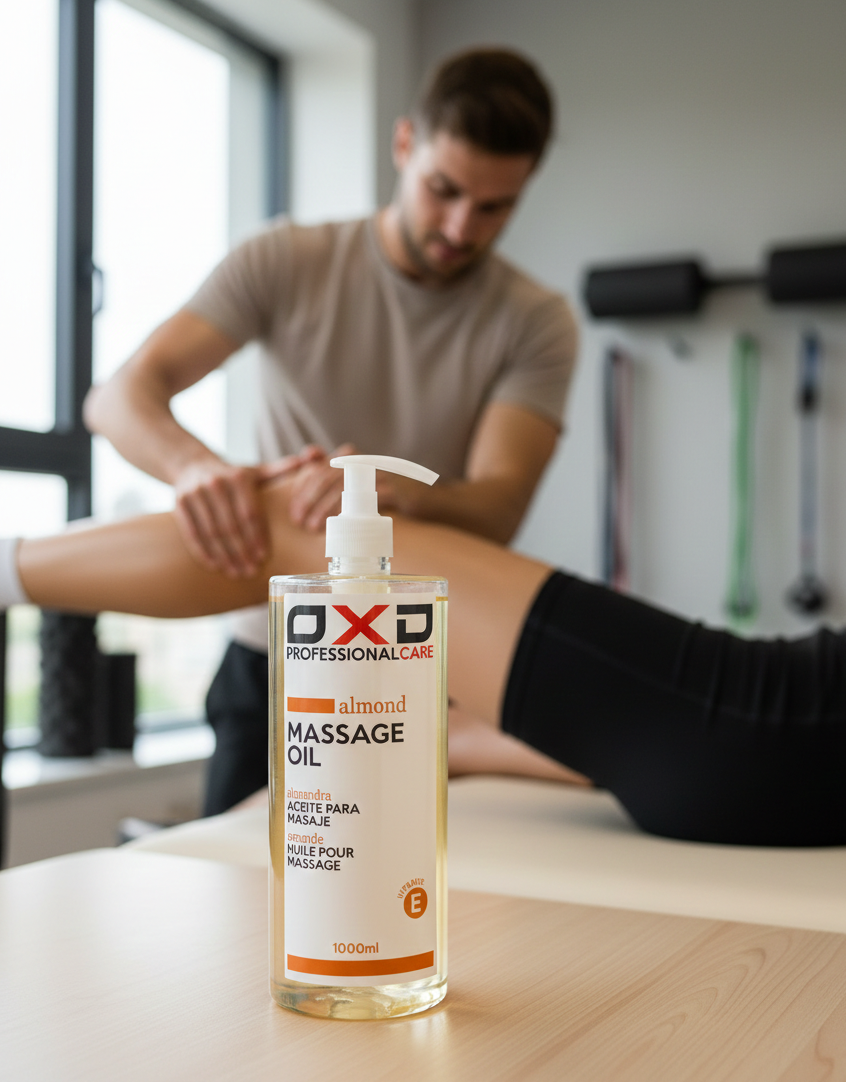
Manual massage remains one of the most powerful tools within an anti-cellulite protocol when performed correctly. Deep kneading, manual lymphatic drainage, and cupping techniques stimulate circulation, break down fibrous adhesions, and help mobilize localized fat deposits.
The use of professional massage oils enriched with active ingredients such as caffeine, centella asiatica, retinol, or ivy extract enhances the mechanical effects of the treatment while nourishing the skin.
Treatment room tip: anti-cellulite massage is most effective when performed at the end of the protocol, after pressotherapy or radiofrequency, when tissues are already activated and warmed.

Active Body Cosmetics: Daily Support That Multiplies Results
No in-clinic treatment can deliver lasting results without an appropriate home-care routine. The most evidence-supported active ingredients for anti-cellulite treatments include:
- Caffeine: lipolytic and vasoconstrictive, improves microcirculation and reduces the appearance of orange peel skin.
- Retinol: stimulates cellular renewal and improves skin texture.
- Centella asiatica: strengthens connective tissue and provides soothing benefits for reactive skin.
- Hyaluronic acid and collagen: improve skin firmness and elasticity, particularly important for flaccid cellulite.
Moisturizers enriched with collagen and hyaluronic acid are especially beneficial as a finishing step in professional treatments and as part of a home-care maintenance routine.
How to Structure a Complete Anti-Cellulite Treatment Protocol
An effective protocol is not simply a random combination of treatments. Each step should follow a logical sequence that maximizes the effectiveness of the next.
| Order | Step / treatment | Main objective |
|---|---|---|
| 1 | Cleansing and light exfoliation | Prepare the skin for absorption |
| 2 | Application of active slimming cosmetics | Load the tissue with active ingredients |
| 3 | Pressotherapy (25–45 min) | Activate circulation and lymphatic drainage |
| 4 | Body radiofrequency (15–20 min) | Heat tissue, stimulate collagen, and break down nodules |
| 5 | Manual anti-cellulite massage | Mobilize fat, drain, and work on adhesions |
| 6 | Final firming or moisturizing cream | Soothe, hydrate, and complete the protocol |
Recommended frequency: two sessions per week during the initial four to six weeks, followed by monthly maintenance sessions once the desired results have been achieved.
How Long Does It Take to See Results?
This is one of the most frequently asked questions in professional consultations, and the answer depends on the type of cellulite and the consistency of the treatment plan.
- Edematous cellulite: visible improvements can often be seen after three to four sessions. Clients typically notice reduced measurements and lighter-feeling legs relatively quickly.
- Fibrous cellulite: requires more time and generally between eight and twelve sessions before significant changes become noticeable.
- Flaccid cellulite: improvements in skin firmness and texture occur progressively. Radiofrequency and firming cosmetics are particularly effective in these cases.
In all cases, results are strengthened and maintained through proper home care and healthy lifestyle habits.
In Summary
Anti-cellulite treatments are most effective when applied within a structured protocol that combines techniques targeting different aspects of the condition: circulatory, thermal, mechanical, and nutritional.
Pressotherapy, radiofrequency, and manual massage form the foundation of professional anti-cellulite treatments, but their effectiveness depends greatly on the active cosmetic products used alongside them.
At Telic, you will find everything you need to build a complete and professional anti-cellulite protocol: from pressotherapy garments to conductive cream for radiofrequency, body massage oils, and firming creams with hyaluronic acid and collagen.
Discover all products for professional body treatments at Telic
Frequently Asked Questions About Anti-Cellulite Treatments
What Is the Most Effective Anti-Cellulite Treatment in a Professional Clinic?
There is no single treatment that can be considered the most effective. The best results are achieved by combining pressotherapy, radiofrequency, and manual massage within a structured protocol. Each technique targets a different aspect of cellulite and enhances the effectiveness of the others.
How Many Sessions Are Needed to See Results?
The number of sessions depends on the type of cellulite being treated. Edematous cellulite may show improvements after three to four sessions, while fibrous cellulite generally requires eight to twelve sessions before significant results become visible.
Does Radiofrequency Help Reduce Cellulite?
Yes. Radiofrequency is particularly effective for fibrous and flaccid cellulite. It generates heat in the deeper layers of the skin, stimulating collagen production, improving circulation, and creating a visible tightening effect.
What Is the Best Cream for Cellulite in Professional Treatments?
The most effective professional products combine lipolytic and draining ingredients such as caffeine, centella asiatica, or ivy extract with firming ingredients such as collagen and hyaluronic acid. These formulations support both in-clinic treatments and home-care maintenance.
Does a Pressotherapy Garment Reduce Cellulite?
Pressotherapy garments are especially effective for edematous cellulite because they stimulate lymphatic and venous return, reduce fluid retention, and improve tissue oxygenation. Results are enhanced when combined with active cosmetics and complementary treatments such as massage or radiofrequency.
Can Cellulite Be Treated at Home Between Professional Sessions?
Yes, and it is highly recommended. Daily application of anti-cellulite products, self-massage using rollers or cups, adequate hydration, and reduced sedentary behavior can significantly enhance and prolong professional treatment results.
Related Products
-
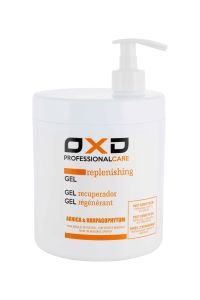 OXD replenishing gel arnica + harpagophytum - 1000 ml€39.91 VAT included
 -
-


Recent Posts
-
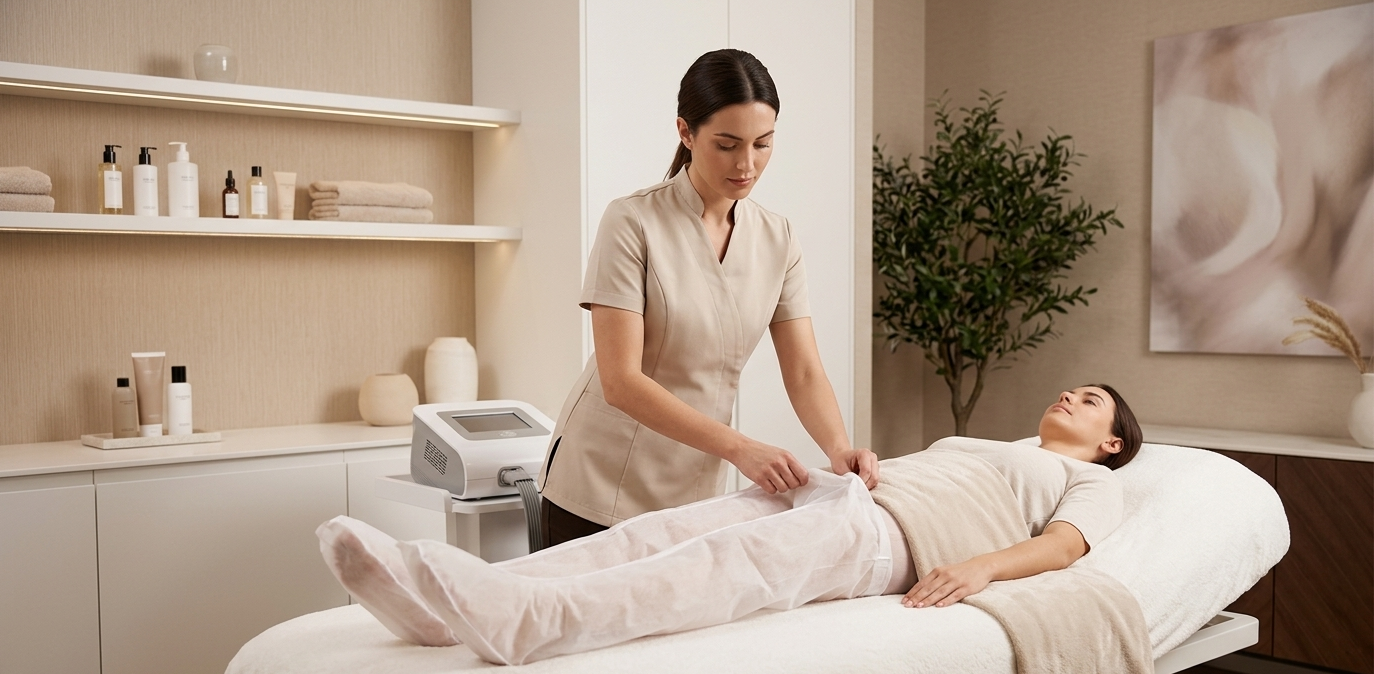
Anti-Cellulite Treatments: What Really Works and How to Apply Them in the Treatment Room
 June 8, 2026
 -
Warm roll-on wax for professional hair removal: types and how to choose the right one for your salon
 May 6, 2026
 -
Crepe Bandage vs Elastic Bandage: Differences, Sizes and When to Use Each
 April 15, 2026
 -
How to choose the right couch roll for your healthcare center
 March 18, 2026
 -
Sports massage: what it is, benefits and when to apply it
 February 19, 2026


