


Sports massage: what it is, benefits and when to apply it
19
Feb
Sports massage: what it is, benefits and when to apply it
Sports massage is one of the most widely used tools in sports and physiotherapy to improve performance, accelerate muscle recovery and prevent injuries. When applied correctly, it can make a significant difference for both professional athletes and active individuals who train regularly.
Unlike other types of massage, sports massage is adapted to the timing of physical activity, the type of sport and the condition of the muscle tissue. For this reason, it is a key technique in comprehensive athlete care.
What is sports massage?
Definition and objectives
Sports massage is a manual technique aimed at preparing, maintaining and recovering the musculoskeletal system of people who engage in physical activity. Its main goal is not relaxation, but to optimize muscle function, improve circulation, reduce tension and promote recovery after exertion.
It is used both preventively and therapeutically and is often integrated into training programs, physiotherapy and sports recovery plans.
Differences from other types of massage
- Has variable intensity and rhythm depending on the objective.
- Focuses on specific muscle groups related to the sport practiced.
- May be deeper or more localized.
- Is adapted to the timing of training or competition.
Benefits of sports massage
Improved performance
Applied before exercise or during maintenance phases, this type of massage helps to:
- Improve muscle elasticity.
- Increase mobility.
- Prepare tissues for physical exertion.
This allows the athlete to face activity in better functional condition.
Muscle recovery
One of the best-known benefits of sports massage is its role in muscle recovery.
It helps to:
- Reduce the feeling of fatigue.
- Relieve muscle stiffness.
- Promote venous and lymphatic return.
- Accelerate recovery after intense training sessions.
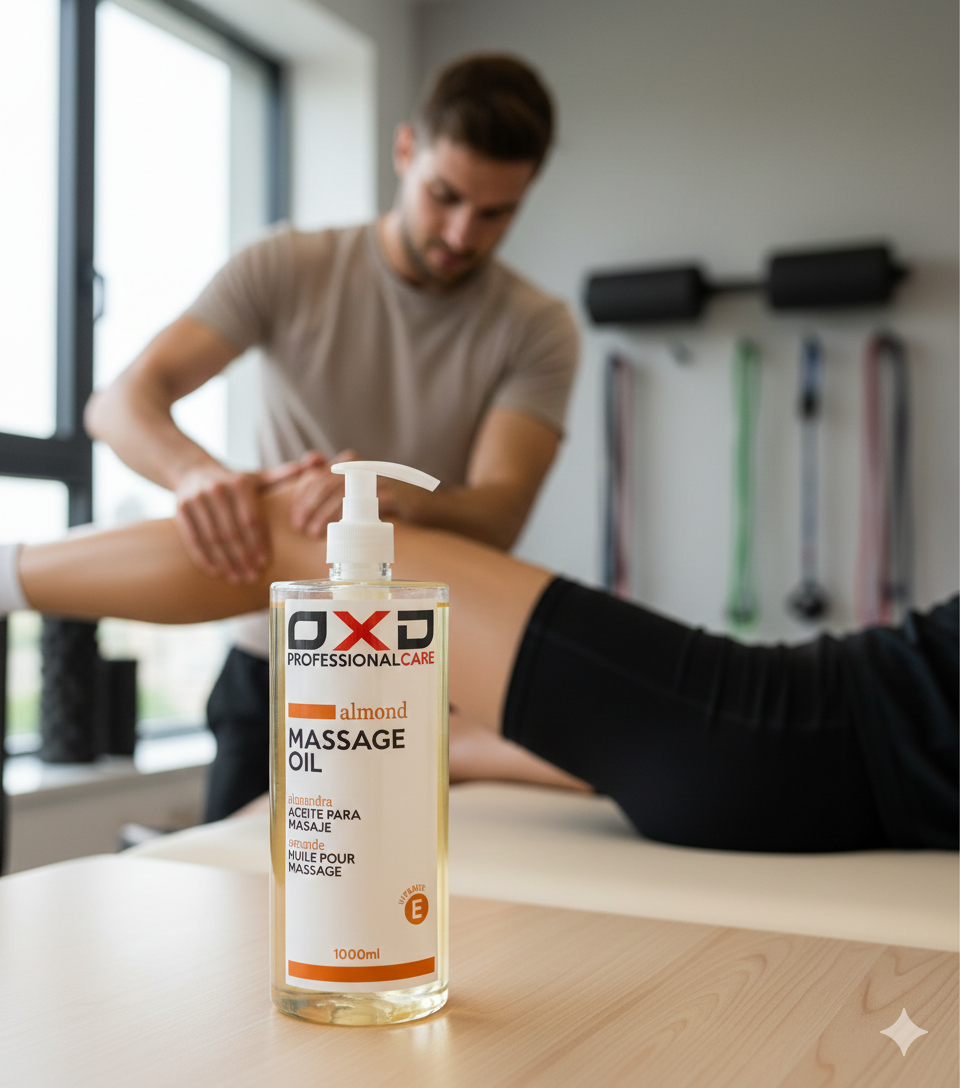
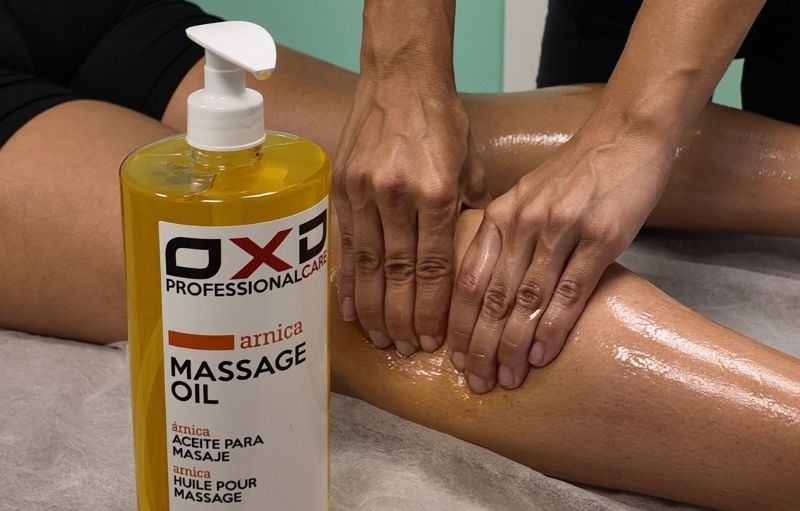
In these treatments, the use of professional massage oils facilitates smooth and precise glide, allowing deep muscle work without irritating the skin.

Injury prevention
Regular manual work on muscle tissue helps detect areas of overload or excessive tension, reducing the risk of overuse injuries, contractures or muscular imbalances.
Athlete well-being
In addition to physical benefits, sports massage contributes to overall well-being by helping reduce stress associated with training and improving body awareness.
Types of sports massage depending on timing
Pre-competition massage
Performed before physical exertion with the aim of activating muscles, increasing circulation and preparing the body for activity. It is usually brief, dynamic and stimulating.
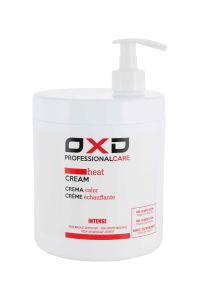
In the pre-competition phase, it is common to combine massage with warming-effect products, which help increase the sensation of muscle activation and prepare tissues for exertion, especially in high-demand sports or cold environments.

Post-competition massage
Applied after exercise, it aims to facilitate recovery, reduce accumulated tension and normalize muscle tissue condition. It is slower and deeper than pre-competition massage.
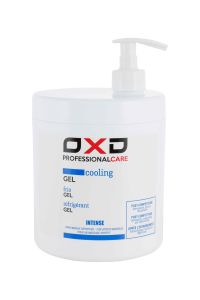
After physical activity, massage is often complemented with cooling gels, particularly indicated to provide a refreshing sensation, relief and muscle unloading, helping the athlete begin the recovery process.

Role of sports massage in muscle recovery
During periods of accumulated fatigue or after intense training, massage becomes a key tool to maintain muscle functionality and prevent overtraining.
In cases of accumulated fatigue or after intense training, some professionals use recovery gels with natural active ingredients, such as arnica or harpagophytum, applied as a complement during massage to enhance the sensation of muscular comfort.

Common mistakes in sports massage
- Applying it without a clear objective: Sports massage must be adapted to a specific purpose—preparation, recovery or maintenance.
- Inadequate pressure: Excessive or poorly applied pressure can cause unnecessary discomfort or worsen muscle condition.
- Not adapting it to the sport: Each sport places different demands on the body and massage must be adjusted accordingly.
Sports massage is a fundamental technique in athlete care. When properly applied, it supports performance, recovery and injury prevention, becoming an essential ally for physiotherapists, sports clubs and athletes of all levels.
Frequently asked questions about sports massage
Does sports massage hurt?
It can feel intense in certain areas, but it should not cause excessive pain.
How long does a sports massage last?
Usually between 20 and 60 minutes, depending on the objective and areas treated.
Can sports massage be done weekly?
Yes, especially as part of a maintenance or recovery program.
Is it only for professional athletes?
No. It is also beneficial for amateur athletes and active individuals who train regularly.

Related Products
-
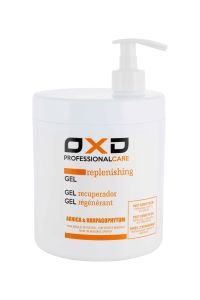 OXD replenishing gel arnica + harpagophytum - 1000 ml€39.91 VAT included
 -
-


Recent Posts
-
Sports massage: what it is, benefits and when to apply it
 February 19, 2026
 -
Anti-inflammatory arnica: properties, uses and current evidence
 January 14, 2026
 -
Massage cream: professional guide to types, uses and how to choose the right one
 January 13, 2026
 -
Prevention of overload injuries with preventive physiotherapy and topical products
 August 19, 2025
 -
Your essentials to finish the summer
 August 18, 2025


